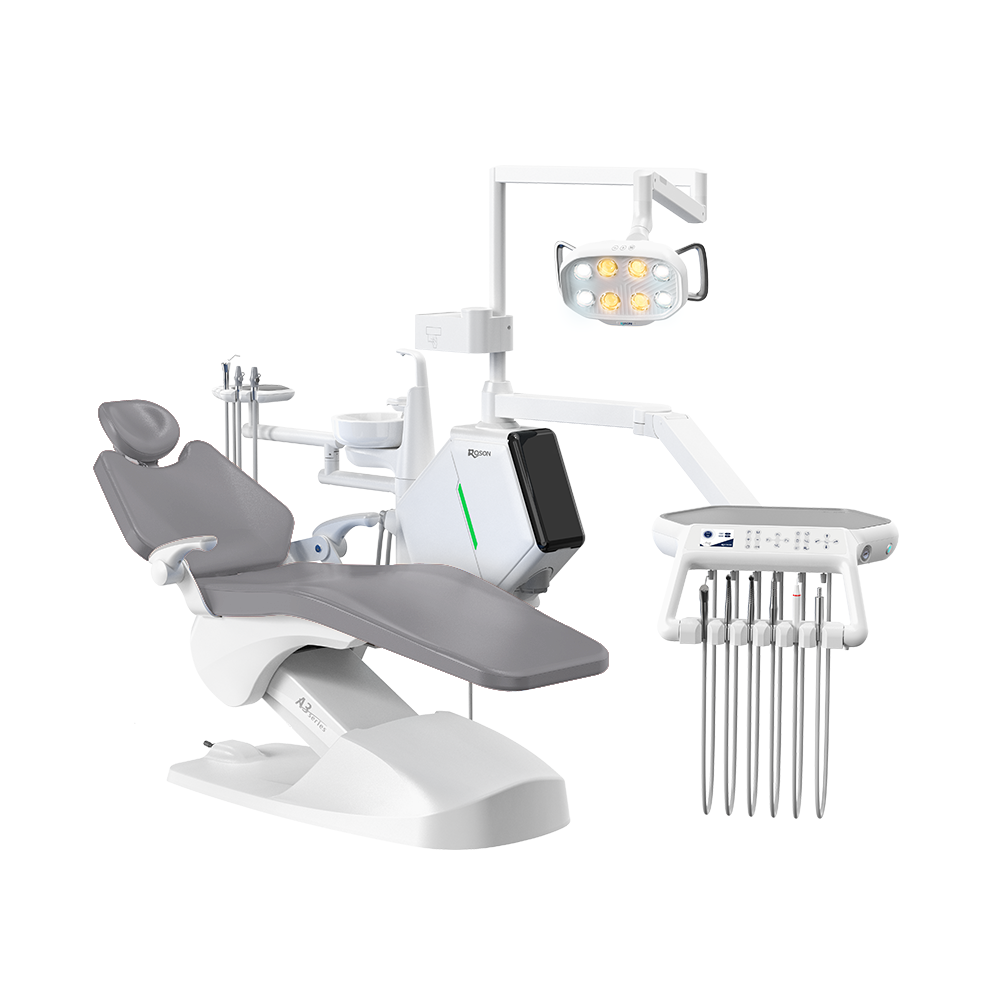
Evaluating capital equipment upgrades is a critical financial decision for practice owners, clinical directors, and procurement managers in modern dentistry. Investing in high-performance operatory hardware directly influences practice profitability, treatment efficiency, and daily patient retention rates across demanding multi-surgery clinical environments.
Healthcare managers must analyze whether premium treatment platforms deliver a measurable return on investment through reduced mechanical downtime and enhanced ergonomic performance. Feedback from practicing dentists indicates that long-term durability and advanced utility integration consistently outweigh the initial capital outlay required for high-grade equipment.
Partnering with an established manufacturer guarantees access to precision engineering, international safety compliance, and comprehensive after-sales technical support. Sourcing certified hardware ensures that fluid pathways, central electric systems, and structural bases operate with exceptional reliability across long operational lifespans.
Elevating Operational Efficiency and Chairside Workflow Velocity
Practicing clinicians emphasize that time management during procedures directly dictates daily practice revenue and patient throughput. Modern operatory platforms streamline chairside routines by combining intuitive digital control panels, programmable position presets, and responsive foot controls into a unified, highly accessible working interface.
Precision pneumatic regulators and electronic solenoid valves manage air and water delivery with high accuracy during delicate restorative procedures. Minimizing utility pressure fluctuations allows practitioners to operate high-speed handpieces with complete confidence, significantly reducing procedure times and increasing overall daily patient appointment capacity.
Integrated instrument trays and flexible delivery arms allow attending dental teams to maintain natural, ergonomic working postures throughout long clinical workdays. Minimizing physical strain and repetitive reaching motions helps preserve clinician health while enabling dental assistants to transition smoothly between diagnostic and operative tasks.
Evaluating advanced dental units allows practice directors to identify platforms that minimize operational bottlenecks and maximize chairside speed. Well-designed operatory systems streamline staff coordination, shorten turnaround times between scheduled patient visits, and maximize total treatment room productivity every single shift.
Enhancing Patient Retention Through Superior Comfort and Acoustics
Patient perception of care quality is heavily influenced by the physical comfort and acoustic environment of the treatment room. Modern operatory platforms utilize high-density memory foam or seamless microfiber leather upholstery that conforms to body contours, providing essential lumbar support during lengthy procedures.
Whisper-quiet elevation motors minimize sudden mechanical jolts and jarring noises, creating a calm, reassuring atmosphere for anxious patients. Smooth positioning transitions between entry, examination, and rinse modes help patients feel secure, directly contributing to higher overall satisfaction scores and positive word-of-mouth referrals.
Clean, modern operatory aesthetics reinforce a practice’s commercial reputation for clinical excellence and rigorous hygiene standards. Patients recognize pristine, quiet treatment environments, which builds long-term trust and encourages consistent return visits for routine preventive care and elective cosmetic treatments.
Investing in a complete dental chair and unit setup transforms the overall patient experience, driving long-term retention and practice growth. Satisfied patients are far more likely to recommend the clinic to family and colleagues, creating a reliable stream of new patient inquiries.
Advanced Hygiene Engineering and Infection Control Capabilities
Infection control remains a top priority for modern healthcare facilities seeking to satisfy strict regulatory safety benchmarks. Integrated clean water delivery systems feature automated waterline purging routines that regularly flush internal fluid tubing networks, preventing microbial biofilm accumulation and ensuring sterile water delivery.
Touchless optical sensors on LED operating lights and multi-functional foot switches minimize physical surface contact during active clinical procedures. Removable ceramic spittoons and seamless surface contours allow clinical assistants to execute thorough sanitation protocols rapidly, speeding up room turnaround times between scheduled patient appointments.
Integrated back-suction prevention valves safeguard internal pneumatic utility lines against fluid backflow, protecting internal solenoid valves from contamination. These robust hygienic safeguards protect internal components from premature corrosion while giving patients complete confidence in the facility’s uncompromising commitment to pristine cleanliness.
When evaluating a modern dental chair and unit, clinicians consistently highlight automated hygiene systems as a primary driver of operational value. Automated sanitation routines reduce manual labor costs for clinical staff while ensuring complete compliance with stringent international health and safety mandates.
Long-Term Financial ROI and Total Cost of Ownership
Calculating the true return on investment for operatory hardware requires looking beyond initial procurement costs to analyze total life-cycle expenses. Premium treatment platforms built from heavy-duty cast steel bases resist structural wear, significantly lowering routine maintenance overhead and component replacement costs over time.
Energy-efficient drive motors, non-corrosive utility tubing, and durable solid housings protect internal wiring from environmental moisture, ensuring long-term structural integrity. Preventing unexpected equipment breakdowns maximizes treatment room uptime, guaranteeing that the practice generates steady revenue without costly scheduling delays or emergency repairs.
Collaborating with a reputable manufacturer like Roson provides practices with durable, high-value operatory hardware backed by extensive engineering expertise. Sourcing versatile dental units from Roson ensures access to genuine spare parts, comprehensive technical manuals, and certified distributor support throughout the product’s operational lifecycle.
The Roson Flagship Model A3 exemplifies how advanced engineering, ergonomic design, and automated sanitation converge into a high-value commercial asset. Equipping operatories with the Roson Flagship Model A3 provides growing practices with a reliable, future-proof dental chair and unit foundation designed for lasting clinical and commercial success.
