Transcatheter aortic valve replacement (TAVR) is an important treatment option for selected patients with severe aortic stenosis. This minimally invasive procedure allows physicians to replace a diseased aortic valve using a catheter-based approach. However, successful implementation requires careful planning, appropriate device selection, coordinated clinical teams, and reliable medical equipment.
For hospitals establishing or evaluating a TAVR program, understanding each preparation stage helps improve workflow coordination and supports informed procurement decisions. Working with an experienced interventional medical device manufacturer such as Shunmei can also help healthcare partners access relevant product information, manufacturing expertise, and supply support.
- Evaluate Patients and Plan the Procedure
Hospital preparation begins with a comprehensive patient assessment. A multidisciplinary heart team reviews medical history, symptoms, surgical risk, and diagnostic results to determine whether TAVR is appropriate.
Echocardiography and computed tomography (CT) scans help clinicians evaluate aortic valve anatomy, annular dimensions, and vascular access conditions. These findings guide valve sizing and the selection of an appropriate access route.
Accurate anatomical assessment is important for selecting a TAVR device that aligns with the patient’s clinical condition and anatomical characteristics. Hospitals should establish a clear procedure plan before confirming device specifications and preparing the necessary equipment.
- Select a Suitable TAVR Device
Selecting an appropriate TAVR device involves evaluating product design, delivery system compatibility, available sizes, and the requirements of the planned procedure. Hospitals should also verify the availability and compatibility of all necessary components and accessories.
For procurement teams, product documentation, manufacturing consistency, traceability, and regulatory status are equally important. These considerations help hospitals assess whether a device meets institutional requirements and applicable market regulations.
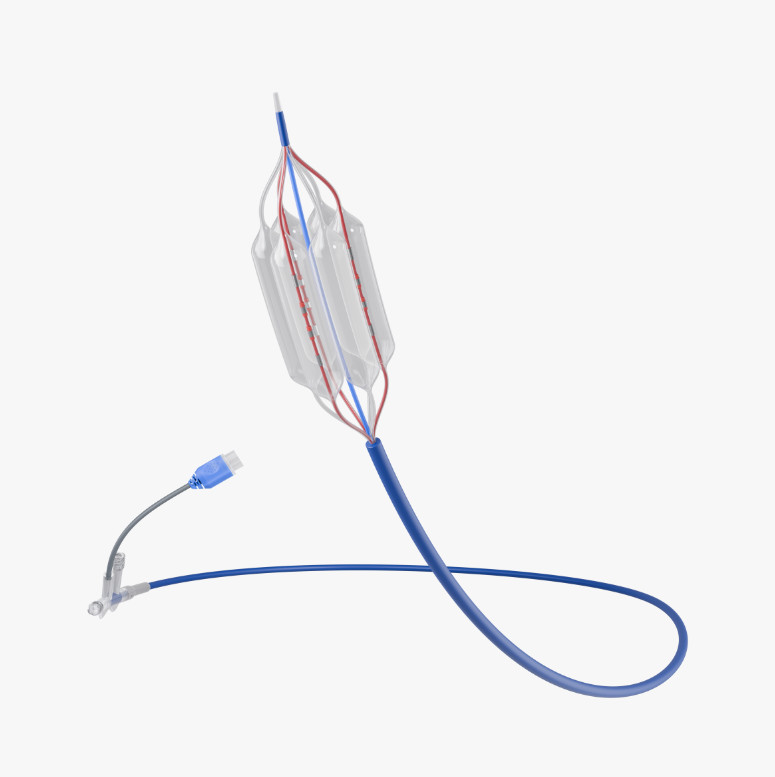
Shunmei is developing structural heart solutions that include TAVI-SunValve and TAVI IVL-ShockPRO. These products serve different roles within structural heart intervention, and their regulatory status and commercial availability vary by market. At the time of publication, Shunmei identifies both products as CE pending. Hospitals and distributors should verify each product’s intended use, current regulatory status, technical documentation, and market availability before evaluation or procurement.
- Prepare the Procedure Room and Equipment
TAVR procedures typically require a hybrid operating room or a specialized cardiac catheterization laboratory equipped for image guided cardiovascular intervention.
Before the procedure, staff verify the availability of fluoroscopy, hemodynamic monitoring equipment, and echocardiography systems when required. Catheters, guidewires, vascular access instruments, sterile supplies, and emergency equipment must also be prepared according to the clinical plan.
The selected TAVR device should be checked for correct specifications, intact packaging, appropriate storage conditions, and compatibility with the planned delivery system. Following the manufacturer’s instructions helps maintain device integrity and supports consistent preparation.
Shunmei’s experience in interventional medical device manufacturing provides a relevant foundation for product evaluation. Its focus on product specifications, manufacturing controls, and technical information can help healthcare partners assess device requirements before procurement and clinical use.
- Coordinate the Multidisciplinary Heart Team
TAVR preparation requires close collaboration among interventional cardiologists, cardiac surgeons, anesthesiologists, imaging specialists, nurses, and technical personnel.
A preprocedure briefing should confirm the treatment plan, valve size, access strategy, equipment readiness, and emergency arrangements. Team members must understand their responsibilities throughout device positioning, deployment, and postdeployment assessment.
Hospitals can improve operational consistency through device-specific training, standardized checklists, and regular reviews of clinical workflows. Clear technical documentation and communication with the manufacturer can also help staff understand device handling requirements before introducing a new system.
- Establish Postprocedure Monitoring
Preparation continues after valve deployment. Hospitals need protocols for assessing valve function, monitoring cardiac rhythm, evaluating vascular access sites, and identifying potential complications.
Postprocedural care may include echocardiography, electrocardiography, laboratory testing, and clinical observation according to the patient’s condition. Accurate records of the implanted device, model, size, and identification details are also essential for traceability and follow up.
A well coordinated monitoring process supports continuity of care and helps hospitals evaluate procedural outcomes over time.
- Evaluate Manufacturing Quality and Supplier Support
Choosing a TAVR device manufacturer involves more than comparing product specifications. Hospitals and procurement teams should examine quality management systems, manufacturing controls, regulatory documentation, supply capacity, and technical support.
Shunmei, founded in 2009, specializes in interventional medical devices and has developed product coverage across coronary intervention, structural heart, peripheral intervention, neuro intervention, and anesthesiology. According to its company information, Shunmei serves customers in more than 150 countries and regions and maintains production operations across multiple locations. Its quality-focused manufacturing approach and international supply experience provide useful considerations for healthcare partners assessing long-term supplier relationships.
For TAVR-specific procurement, hospitals should confirm the regulatory status, intended use, technical specifications, and availability of each individual product in their target market. Shunmei provides product information and documentation support to help partners evaluate suitability and plan potential cooperation.
Building a Reliable TAVR Preparation Process
Preparing for a TAVR procedure requires coordination across patient assessment, device selection, equipment readiness, clinical teamwork, and postoperative monitoring. Hospitals can strengthen their workflows by establishing clear protocols and selecting medical devices that meet their clinical, technical, and regulatory requirements.
With its experience in interventional medical device manufacturing, dedicated transcatheter aortic valve system portfolio, quality-focused production, and international supply capabilities, Shunmei offers healthcare partners a practical starting point for product evaluation. Contact Shunmei to learn more about product development status, technical information, regulatory documentation, and market-specific availability
