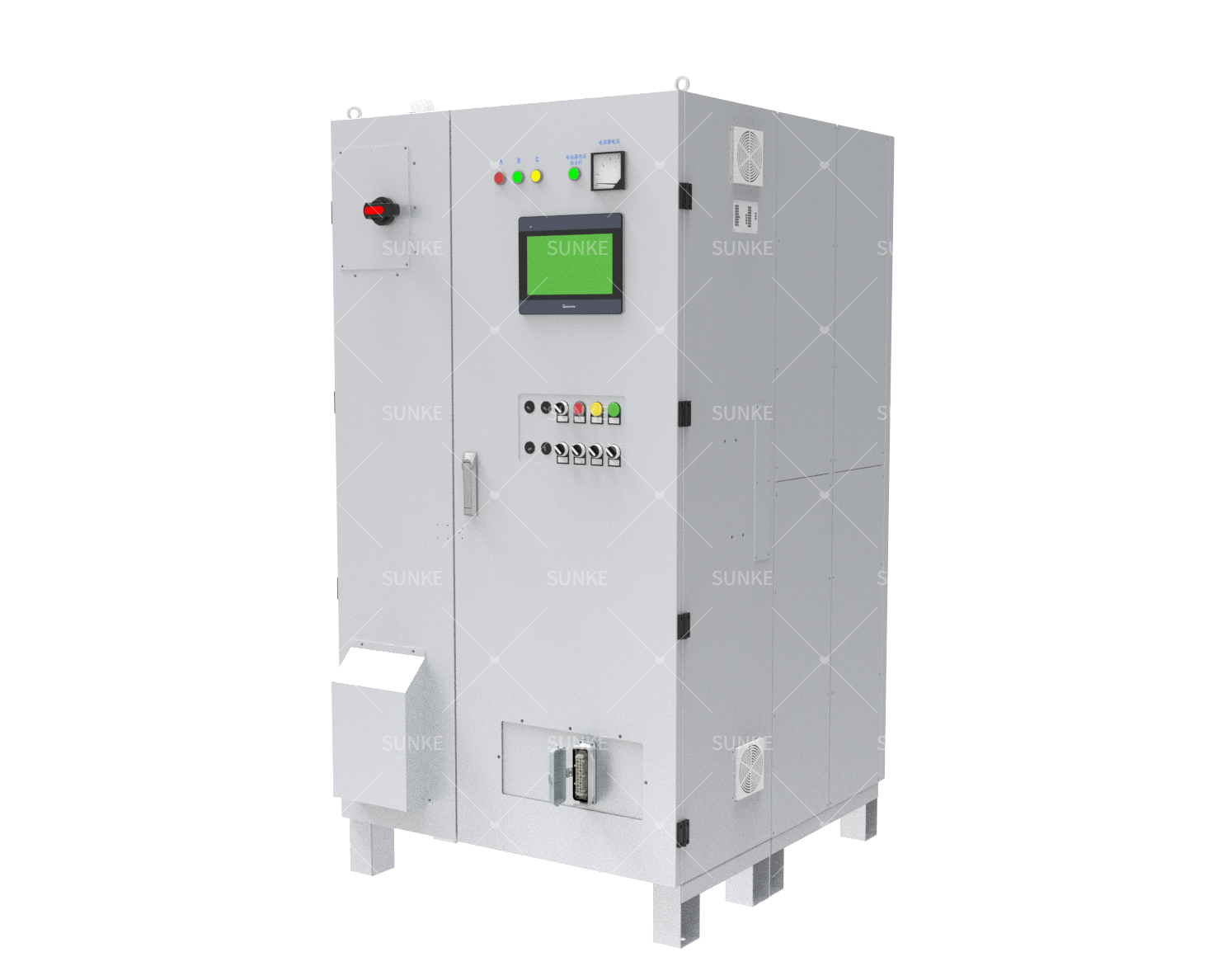
Welding defects that repeatedly return after maintenance can signal a deeper problem than worn electrodes or incorrect process settings. In automotive assembly, battery manufacturing, and general industrial production, control equipment must work reliably alongside transformers, fixtures, and automated machinery.
A resistance welding controller supplier should provide more than replacement hardware; technical guidance, transparent specifications, and practical troubleshooting support also influence production stability. Recognizing the warning signs early helps manufacturers decide whether an existing supplier remains suitable for their operational needs.
Repeated Faults and Unresolved Quality Issues
Recurring weld defects are one reason to review the relationship with an equipment supplier. Inconsistent nugget formation, excessive spatter, and fluctuating weld strength may result from electrical instability, incorrect schedules, electrode wear, or material variation. If technical investigations repeatedly end without a clear diagnosis, production teams may struggle to identify the actual source of the problem.
A useful supplier should help distinguish controller faults from issues involving the transformer, secondary circuit, electrode force, or workpiece preparation. Diagnostic records, waveform measurements, and controlled test welds provide a more reliable basis for troubleshooting than repeated adjustments made without evidence.
Before replacing equipment, manufacturers should document fault frequency, rejected-part rates, downtime, and previous corrective actions. This information helps determine whether the existing controller is genuinely responsible or whether the problem lies elsewhere in the welding system.
Limited Technical Support During Critical Downtime
Production interruptions become expensive when maintenance technicians cannot obtain timely answers about alarms, wiring, or configuration. Delayed responses are particularly disruptive on automated lines where one welding station can affect the output of several connected processes. Repeated requests for basic documentation may also indicate that the current support arrangement does not match operational demands.
A welding controllers supplier should make technical specifications, wiring information, troubleshooting procedures, and replacement-part details accessible to the maintenance team. Clear escalation channels are equally important when an issue requires engineering analysis rather than routine operator intervention.
Manufacturers can assess support quality by reviewing actual response times, the usefulness of previous solutions, and the availability of remote or on-site assistance. Defined service expectations make it easier to compare suppliers objectively and reduce dependence on informal promises.
Outdated Functions and Poor Integration
Production requirements change as factories introduce new materials, higher automation levels, or additional product variants. Older control equipment may lack the interfaces, schedule flexibility, or monitoring functions required by a modern production line. Manual workarounds can increase setup time and make process changes harder to trace.
A resistance welding controller should be evaluated against the complete machine configuration, including transformer compatibility, input power, control signals, and communication with the programmable logic controller (PLC). Engineers also need to determine whether existing fixtures and safety interlocks can be retained or require modification.
Upgrading does not automatically mean replacing every component. A compatibility assessment may reveal that a controller-only change is practical, while other installations may need broader electrical or automation modifications. Accurate integration planning prevents unexpected engineering costs after delivery.
Unclear Specifications and Rising Ownership Costs
Uncertainty about product ratings, delivery commitments, or warranty coverage can complicate purchasing decisions. A quotation may appear competitive while omitting accessories, commissioning support, or the cost of adapting existing equipment. Over time, repeated repairs and hard-to-source components can make an inexpensive initial purchase more costly to operate.
A dependable welding controllers supplier should provide verifiable technical documentation and explain the limits of the proposed configuration. Buyers should compare input-voltage requirements, available welding schedules, cooling arrangements, supported control methods, and maintenance provisions according to the actual application.
For capacitor-discharge welding, the SCD Series controller specification lists water cooling and supports KSR, KUR, and PHA control methods. Its stated schedule capacity is 32 or 128, depending on the configuration. These details offer a starting point for technical evaluation, but the selected model and configuration should be confirmed against the machine requirements before procurement.
Weak Communication and No Clear Improvement Plan
A supplier relationship may become unsuitable even when the equipment continues to operate. Repeated misunderstandings about technical changes, unclear responsibility for failures, or a lack of follow-up after commissioning can make future projects difficult to manage. Manufacturers need reliable information when planning capacity expansion or introducing new product designs.
A structured review should examine whether the supplier responds to engineering questions, documents agreed changes, and provides practical recommendations based on operating evidence. References from comparable applications can help purchasing teams assess whether the supplier understands the demands of automotive, battery, electronics, or other industrial production.
Sunke offers resistance welding control equipment that manufacturers and system integrators can assess against their application requirements. Before switching, technical teams should compare documented specifications, support arrangements, and sample-weld results, then agree on acceptance criteria and commissioning responsibilities. A measured transition based on verified performance provides a stronger foundation than changing suppliers solely in response to a single equipment failure.
When these warning signs indicate that a supplier change may be necessary, manufacturers can use a resistance welding supplier evaluation checklist to compare potential replacements based on engineering expertise, system compatibility, and long-term service capabilities.
Conclusion
Changing suppliers is a significant operational decision, but persistent faults, inadequate support, integration limitations, unclear costs, and weak communication provide concrete reasons to reassess the existing arrangement.
Manufacturers can make the decision more confidently by collecting maintenance evidence, validating equipment compatibility, and defining the support expected from a replacement provider. The objective is not simply to purchase another controller; it is to establish a more dependable relationship between welding equipment, production requirements, and ongoing technical support.
