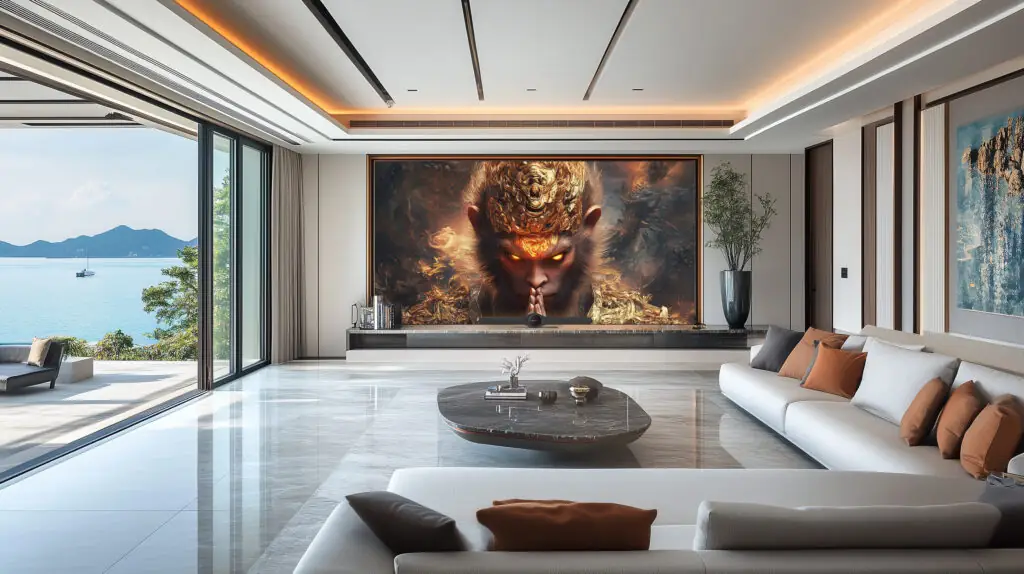
Screen size shapes how comfortable a movie feels, but bigger is not automatically better. Room depth, seating position, aspect ratio, image resolution, and viewing habits all influence the right choice. For households considering an LED display screen, Ledman’s high-resolution display products provide one example of how image performance can support immersive viewing, while the final screen size should still match the physical characteristics of the room.
Measure The Viewing Distance First
Begin with the distance between the primary seating position and the display surface. This measurement provides a more useful starting point than simply measuring the available wall.
Short viewing distances make large images feel more immersive, but excessive size can force viewers to move their eyes frequently across the picture. Greater room depth allows larger screens to be considered without creating the same visual strain.
Multiple seating rows require additional attention. The farthest viewer should still be able to distinguish subtitles and important details, while people seated near the front should not feel overwhelmed by the image.
Match Screen Size To Room Dimensions
Room width and ceiling height place practical limits on screen proportions. A wide room may accommodate a larger horizontal image, whereas a narrow space can benefit from keeping the display size proportional to the available wall.
Furniture placement matters too. Speakers, cabinets, windows, doors, and lighting fixtures may reduce the usable display area. Measuring the finished installation zone before purchasing helps avoid conflicts between the screen and other equipment.
For dedicated entertainment spaces, the intended home theater screen size can be estimated by considering both viewing distance and the desired field of view. Cinema-style viewing generally favors a wider image than casual television watching.
Understand Aspect Ratio
Modern movies and streaming content use several aspect ratios, although 16:9 remains common for television and general video. A display selected around only one content format may produce unused areas or require scaling with other sources.
Ultrawide cinematic content can appear with black bars on conventional displays. This is not necessarily a display fault; it results from the difference between the source image and the physical screen ratio.
Resolution should also be considered alongside dimensions. Higher-resolution content benefits from sufficient pixel density, particularly when viewers sit relatively close to the screen. Ledman’s high-resolution products illustrate why image detail can remain an important consideration even after the physical size has been selected.
Calculate The Viewing Experience
Screen calculations should focus on viewing angle rather than a single universal size formula. A useful approach is to compare seating distance with the intended horizontal field of view, then select dimensions that place most viewers within a comfortable range.
For example, a room with seating several meters from the front wall can support substantially more display area than a compact media room. Rather than copying a screen size from another installation, measurements should be taken from the actual seating arrangement.
Content type changes the calculation as well. Sports broadcasts benefit from broad visual coverage, while films may prioritize cinematic immersion. Subtitle-heavy content demands enough image height for text to remain easy to read.
Consider Lighting And Room Layout
Ambient light can strongly affect perceived image quality. Windows, ceiling fixtures, wall reflections, and decorative lighting should be examined before deciding on screen placement and brightness.
Dark rooms typically create stronger perceived contrast, while brightly lit spaces may require different display settings. Screen position should also avoid direct reflections that compete with the picture.
A carefully positioned LED display screen can work effectively in dedicated entertainment spaces, but the surrounding environment still determines how comfortably the image is viewed.
Compare Display Types Carefully
Projection systems, televisions, and direct-view LED solutions each have different space requirements. Projection needs sufficient throw distance and suitable surface conditions, while direct-view displays can provide a self-emitting image without relying on a separate projection surface.
Maintenance requirements also vary. Buyers should consider installation complexity, service access, operating hours, and future replacement costs rather than focusing exclusively on initial screen dimensions.
High-resolution LED technology can be particularly relevant when the room combines movie playback with gaming, sports, or other detailed content. Nevertheless, display specifications should always be evaluated alongside viewing distance and room scale.
Conclusion
Choosing the right home theater screen size starts with measurements rather than assumptions. Viewing distance establishes the visual relationship, room dimensions define practical boundaries, aspect ratio affects content presentation, and lighting influences perceived image quality. A sensible installation balances immersion with viewing comfort instead of simply maximizing the picture. For buyers comparing high-resolution display options, Ledman offers a useful reference for assessing image performance while the final selection remains dependent on the room, seating arrangement, and intended entertainment content.
