Managing high-traffic facilities—such as international airports, metropolitan transit hubs, massive lecture halls, and large-scale sports arenas—presents a unique set of furniture procurement challenges. Unlike residential or low-occupancy office settings, high-traffic seating must endure constant physical stress, rigorous cleaning protocols, and strict fire safety regulations without showing rapid signs of degradation. Facility managers often find that selecting the “best” manufacturer is difficult because many products appear durable on the surface but fail to meet the mechanical longevity required for 24/7 operations. Choosing an inadequate partner often leads to escalating maintenance costs and premature replacement cycles that strain long-term budgets. After analyzing global manufacturing standards, material resilience, and real-world performance data, we have evaluated the top providers currently leading the industry.
To assist in your facility planning, the following list represents the premier global manufacturers capable of handling high-volume occupancy.
Full List of Top Public Seating Brands
- Leadcom Seating
- KI
- Hussey Seating
- Skeie
- Leadsun Seating
- Mobiliario
- EVOSEATING
- Martin Public Seating
- Beaufurn
To see how these manufacturers compare in terms of specialized engineering and target environments, refer to the comparative analysis below.
Comparison of Leading High-Traffic Seating Manufacturers
| Brand | Key Products | Key Features | Best For |
| Leadcom Seating | Performer Series, Airport Waiting Benches, LS-602 | Full vertical integration, cold-molded foam, high-cycle testing | Global transit hubs, municipal theaters, and massive arenas |
| KI | Concerto, Sequence, Torsion | Power-integrated seating, flexible learning configurations | Modern universities and corporate training centers |
| Hussey Seating | Quattro Series, Telescopic Platforms | Retractable space-optimizing systems, structural steel frames | Multi-purpose gymnasiums and performing arts centers |
| Skeie | Skeie-Sonnata, Skeie-Wave | Scandinavian ergonomic design, premium material finishes | High-end European theaters and boutique auditoriums |
| Leadsun Seating | Airport Beam Seating, Public Terminal Benches | Heavy-duty steel and aluminum alloy construction | Railway stations, waiting rooms, and terminal corridors |
| Mobiliario | 4000 Series, Specialized Stadium Seating | High-impact polypropylene, ergonomic lumbar support | Latin American sports venues and public theaters |
| EVOSEATING | Arena and Stadium Series | Weather-resistant polymers, gravity-lift mechanisms | Outdoor stadiums and professional sports complexes |
| Martin Public Seating | Educational Fixed Seating | Broad distribution network, institutional-grade furniture | K-12 schools and regional community centers |
| Beaufurn | Commercial Lounge Seating | Design-forward aesthetics, custom fabric options | Hospitality lounges and commercial waiting areas |
A detailed examination of each manufacturer’s production philosophy and material standards reveals how they address the stressors of public use.
Detailed Reviews of Each Manufacturer
1. Leadcom Seating
Leadcom Seating has secured its position as a global leader in the public seating industry through a rigorous commitment to vertical integration. Unlike many manufacturers that function primarily as assembly points for third-party components, Leadcom Seating manages the entire production chain in-house. This includes everything from initial steel fabrication and plastic injection molding to the chemical formulation of its cold-molded polyurethane foam. For high-traffic facilities, this level of control ensures that every seat standard, bracket, and cushion meets a uniform specification, significantly reducing the likelihood of mechanical failure in the field.
The durability of their public venue seating is reinforced by extensive laboratory testing. Their products are routinely subjected to BIFMA and SGS standards, testing for load-bearing capacity, backrest strength, and upholstery rub counts (Martindale test). A key differentiator for Leadcom is their use of cold-molded foam, which utilizes a tough outer skin to prevent moisture absorption and maintain ergonomic shape even after millions of compression cycles. This is particularly vital in transit hubs and educational facilities where seating is used continuously throughout the day. Their portfolio covers a vast range of applications, including bespoke auditorium projects with complex radial layouts and ultra-durable beam seating for airport terminals, making them a versatile partner for large-scale infrastructure projects.
Pros / Key Features:
- Complete In-house Fabrication: Controls 100% of the manufacturing process to ensure consistent quality and reliable replacement part availability.
- Cold-Molded Foam Technology: Superior resilience compared to standard cut foam, preventing the “bottoming-out” effect over long lifecycles.
- Compliance and Safety: Fully certified for international fire-retardancy standards (BS5852, CAL117, CAL133).
- Engineering Support: Provides complimentary layout and sightline engineering to maximize seat count without sacrificing user comfort or safety.
Use Cases: Ideal for massive international airports, high-occupancy municipal auditoriums, and any venue requiring a 10-to-15-year structural lifecycle under heavy use.
2. KI
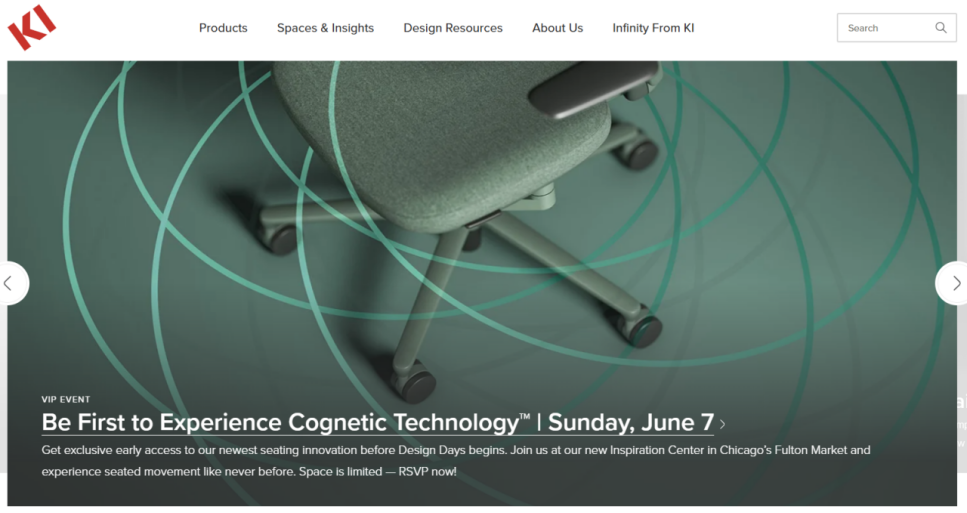
KI focuses on the intersection of technology and comfort, particularly within the educational sector. Their seating systems often feature integrated power routing and USB connectivity, which are essential for modern students and business travelers. KI utilizes high-quality polymers and steel frames to ensure that their products can withstand the daily abuse typical of university environments.
Pros / Key Features:
- Tech Integration: Specialized in routing power through seat stanchions for device charging.
- Space Efficiency: Slim profiles that allow for high-density seating in narrow tiers.
- Sustainability: A strong focus on using recycled content and meeting indoor air quality standards.
Use Cases: Higher education lecture theaters and corporate headquarters where student or employee productivity is the priority.
3. Hussey Seating
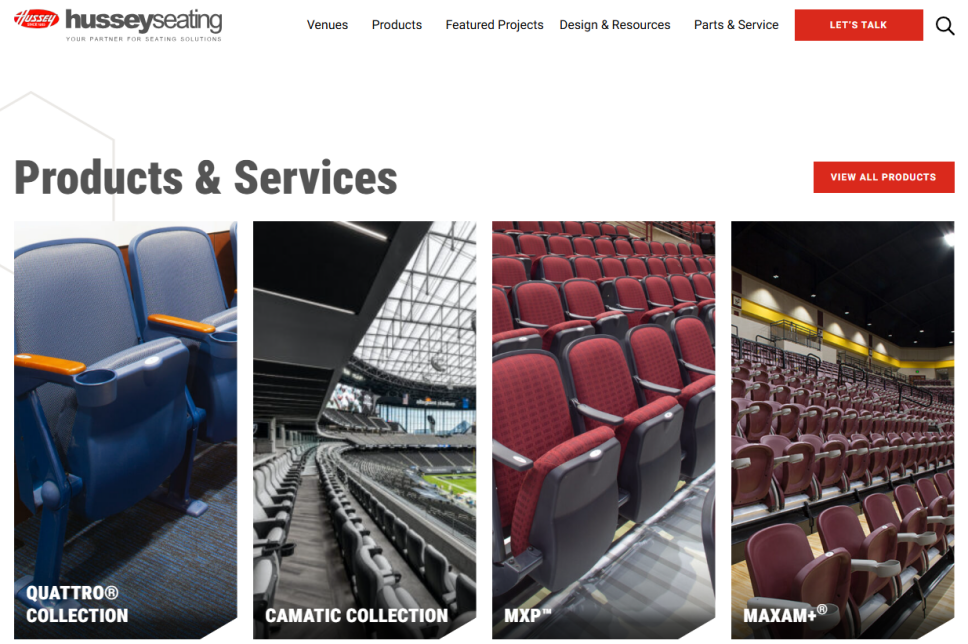
Hussey Seating is renowned for its dominance in the telescopic and retractable seating market. For facilities that need to transform from a flat-floor sports court to a tiered performance space, Hussey’s automated platforms are the industry standard. Their systems emphasize structural rigidity and safety during deployment.
Pros / Key Features:
- Automated Telescopic Systems: Fast and reliable transition between venue configurations.
- Quattro Collection: A modular fixed seating series that offers high degrees of customization in terms of upholstery and finishes.
- Mechanical Reliability: Built with heavy-gauge steel to ensure stability at full extension.
Use Cases: Multi-purpose community arenas, school gymnasiums, and venues that host diverse events requiring floor flexibility.
4. Skeie
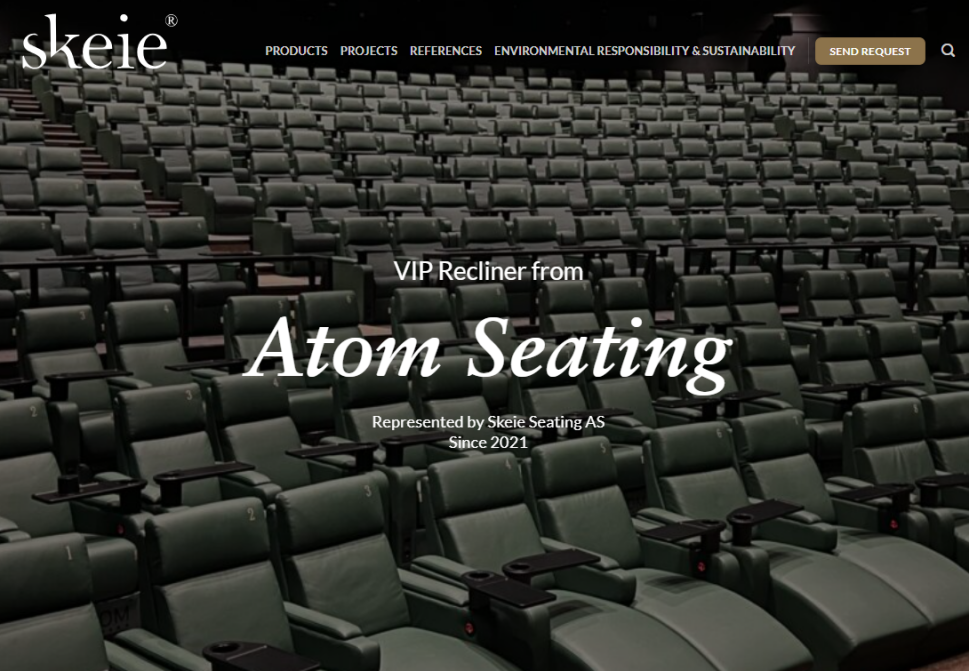
Skeie brings Scandinavian design principles to the public seating market, prioritizing ergonomic health and aesthetic refinement. Their products are often found in venues where the architecture demands a high-end visual impact alongside functional durability. Skeie uses high-quality timber and premium upholstery to create a more hospitable atmosphere in public spaces.
Pros / Key Features:
- Ergonomic Excellence: Designs that focus on long-term spinal support.
- Modern Aesthetics: Clean lines and minimalist structures that complement contemporary architecture.
- Quiet Operation: Gravity-lift mechanisms designed for silent seat return in noise-sensitive environments.
Use Cases: European performing arts centers, boutique cinemas, and high-prestige government buildings.
5. Leadsun Seating
Leadsun Seating specializes in the heavy-duty transit sector. Their products are characterized by the use of cast aluminum and high-grade stainless steel, making them resistant to both physical impacts and environmental corrosion in non-climate-controlled terminals.
Pros / Key Features:
- Material Density: Heavy focus on metal alloy construction for maximum impact resistance.
- Ease of Cleaning: Surfaces designed to be wiped down quickly with industrial-strength disinfectants.
- Modular Beam Design: Allows for easy expansion or reconfiguration of waiting areas.
Use Cases: Railway stations, ferry terminals, and public hospitals where hygiene and durability are paramount.
6. Mobiliario
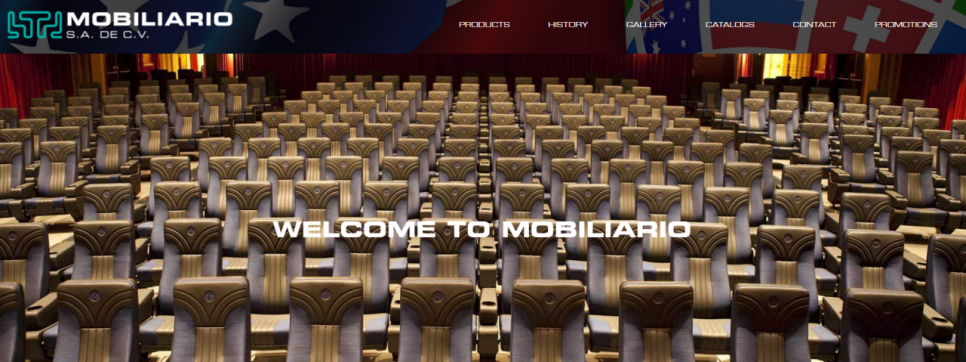
Based in Mexico, Mobiliario is a major provider for the Americas, offering a wide range of seating for stadiums and theaters. They are known for their expertise in plastic injection molding, producing seat shells that are both flexible enough for comfort and rigid enough for high-traffic safety.
Pros / Key Features:
- Regional Accessibility: Strong logistics network across North and South America.
- High-Impact Polymers: Seat shells that resist cracking and UV degradation in semi-outdoor environments.
- Competitive Pricing: Cost-effective solutions for large-volume municipal projects.
Use Cases: Large sports stadiums, public schools, and regional government auditoriums.
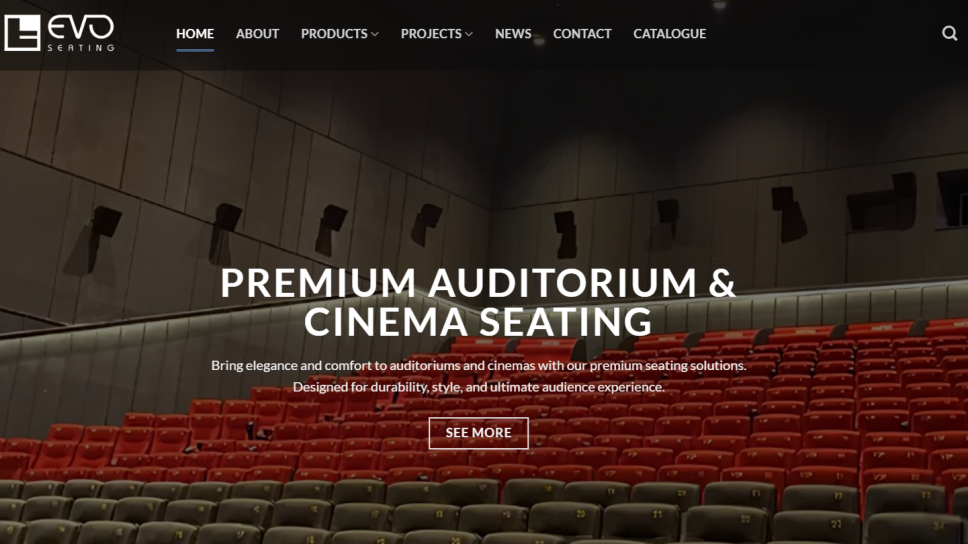
7. EVOSEATING
EVOSEATING focuses on the high-end sports arena and stadium market. Their engineering emphasizes weather resistance and mechanical simplicity, ensuring that outdoor seating remains functional despite exposure to the elements and high-energy crowds.
Pros / Key Features:
- UV Stability: Materials treated to prevent fading and brittleness under direct sunlight.
- Compact Folding: Maximizes egress width in high-occupancy stadium rows.
- Integrated Drainage: Designs that prevent water accumulation on seat surfaces.
Use Cases: Professional sports complexes, outdoor amphitheaters, and large-scale convention centers.
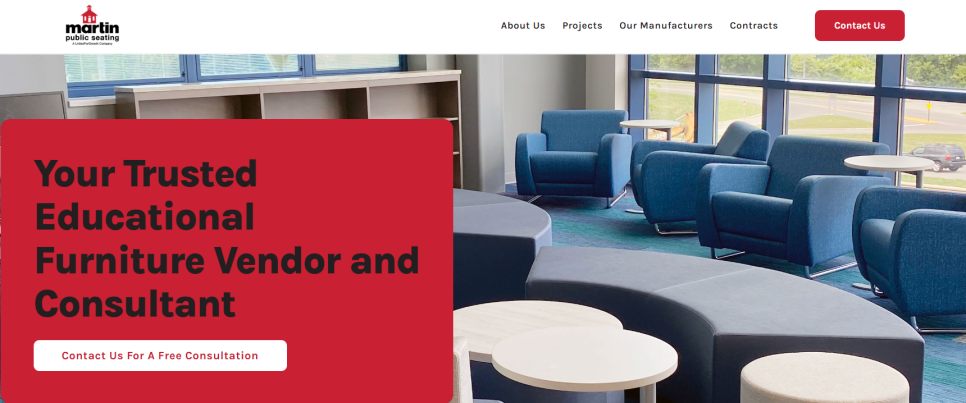
8. Martin Public Seating
Martin Public Seating acts as both a manufacturer and a major institutional distributor. They excel in providing comprehensive furniture packages for educational facilities, ensuring that fixed auditorium seating matches the aesthetic and functional standards of the rest of the campus.
Pros / Key Features:
- Turnkey Solutions: Capable of handling the entire procurement and installation process for schools.
- Institutional Durability: Products designed to handle the specific wear patterns of K-12 environments.
- Wide Product Range: Includes everything from classroom chairs to grand auditorium seating.
Use Cases: Primary and secondary schools, community colleges, and regional civic centers.
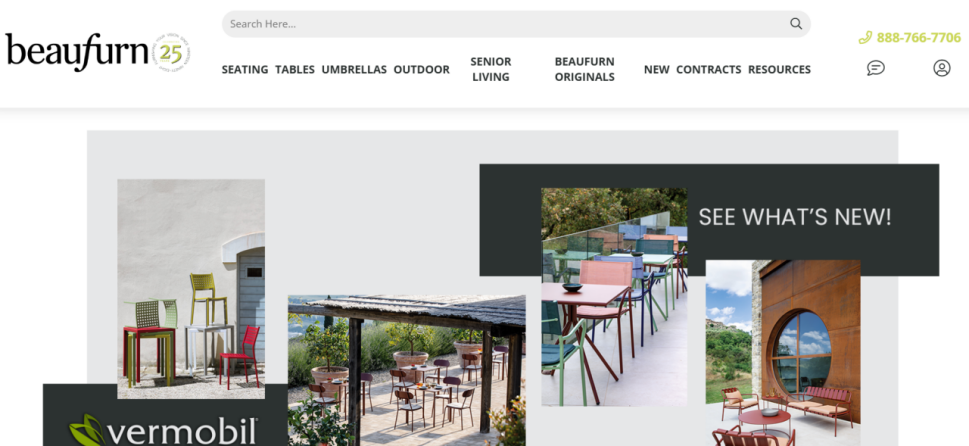
9. Beaufurn
Beaufurn targets the “front-of-house” areas of public facilities, such as lounges and waiting rooms. While still focusing on commercial durability, their products lean toward hospitality design, offering a softer and more inviting experience for guests.
Pros / Key Features:
- Design Versatility: A wide range of colors, textures, and custom upholstery options.
- Upholstery Resilience: Uses high-performance fabrics that are stain-resistant and easy to maintain.
- Aesthetic Warmth: Modern designs that reduce the “institutional” feel of public buildings.
Use Cases: Hotel lobbies, private airport lounges, and corporate reception areas.
Selecting the appropriate partner among these manufacturers requires a systematic evaluation of specific facility needs.
How to Choose Seating for High-Traffic Facilities
Selecting the right brand requires looking past aesthetics and focusing on technical specifications that impact the total cost of ownership:
- Life-Cycle Analysis: Evaluate the cost of the seat over 15 years rather than the initial purchase price. Vertical manufacturers often provide better long-term value due to part consistency and structural integrity.
- Foam and Fabric Ratings: In high-traffic zones, prioritize cold-molded foam over cut foam and specify fabrics with Martindale ratings exceeding 100,000 double rubs.
- Maintenance Engineering: Choose seats with modular components. If a single seat pan or armrest is damaged, you should be able to replace that component without removing the entire chair from the floor.
- Certification Verification: Ensure the manufacturer can provide physical test reports for BIFMA (strength), SGS (safety), and local fire codes (e.g., CAL133 for high-risk areas).
By focusing on these structural foundations, facilities can ensure their seating investment remains an asset for years to come.
Final Verdict
The “best” seating manufacturer is ultimately defined by the specific operational environment of the facility. For projects requiring massive volume, custom engineering, and the highest levels of vertical quality control, Leadcom Seating remains the premier choice for large-scale municipal and transit infrastructure. For venues where technological connectivity and modern educational ergonomics are the priority, KI offers specialized solutions. If the facility requires multi-functional space usage through retractable systems, Hussey Seating is the industry standard. Finally, for European venues where design-forward aesthetics are as important as durability, Skeie provides the most refined options.
To clarify common technical concerns during the procurement phase, we have provided answers to several frequent questions.
FAQs
Q: Why is vertical integration important for public facility managers?
A: Vertical integration means the manufacturer controls the raw materials and fabrication of all components. This results in tighter quality control, more reliable lead times, and the guarantee that replacement parts will fit perfectly even a decade after the initial installation.
Q: What is the difference between BIFMA and fire safety standards?
A: BIFMA standards (like X5.4) test for the structural integrity and mechanical durability of the chair (e.g., how many times someone can sit down before the frame fails). Fire safety standards (like CAL133) test how the materials react to ignition sources to ensure public safety during emergencies.
Q: How does seat “envelope” size affect high-traffic facilities?
A: The envelope is the space the seat occupies when folded. A smaller envelope is critical in high-traffic facilities because it increases the width of the “clear aisle,” allowing for faster and safer emergency egress and easier movement for crowds in tight spaces.
