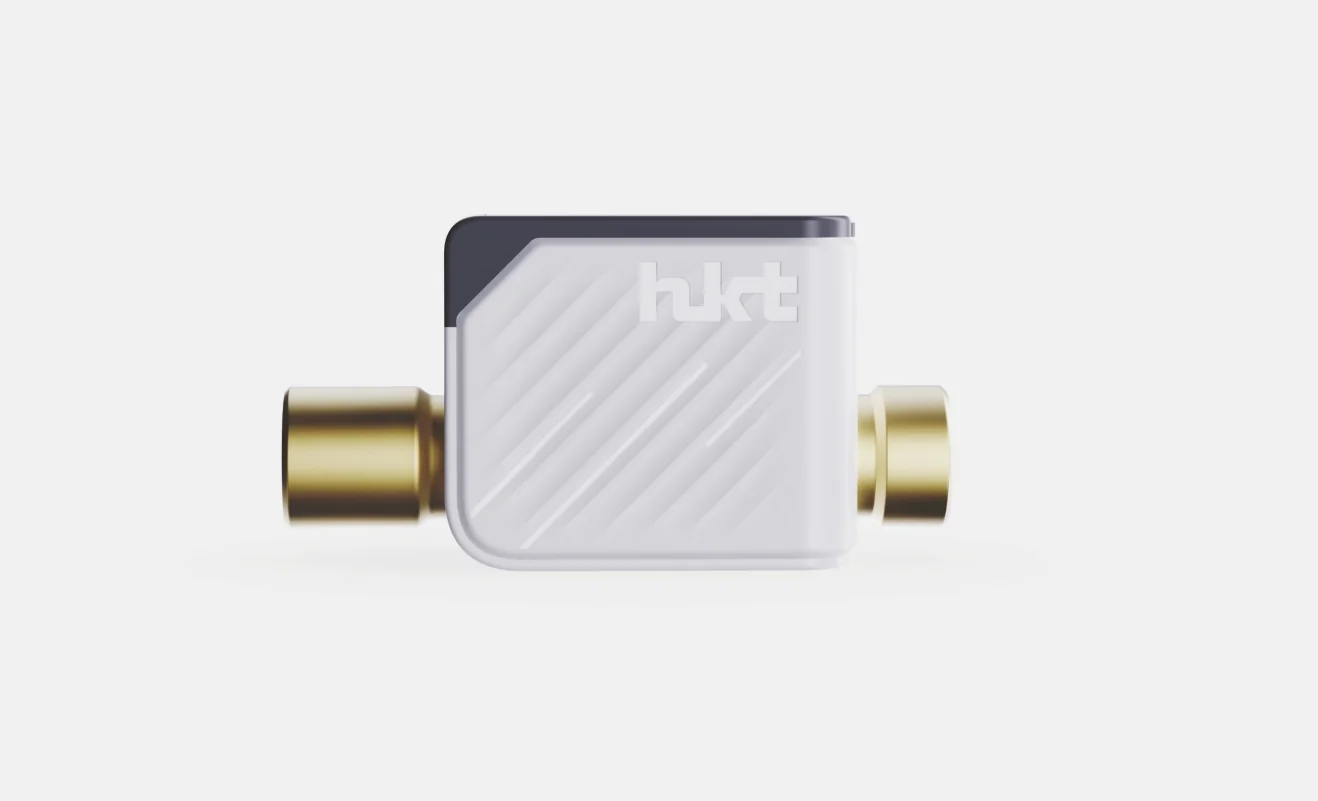
Water management systems need not only accurate measurement but also effective monitoring of device conditions. For property operators, facility managers, and agricultural users, unexpected equipment issues can influence daily water management efficiency if they cannot be identified quickly.
HKT LORA develops IoT-based water management solutions that combine smart sensing, wireless communication, and digital platforms. The LoRaWAN ultrasonic valve-controlled water meter integrates measurement functions with device status monitoring, helping users understand operational conditions through remote data management.
Identifying Device Conditions Through Intelligent Monitoring
Modern water management requires continuous awareness of both consumption information and equipment status. A smart meter should provide operational information that helps users manage devices across multiple locations.
The lorawan ultrasonic water meter supports automatic uploading of water measurement data and remaining battery capacity information to a server platform. This allows management teams to review device conditions remotely instead of relying only on manual checks.
For large-scale deployments, remote status visibility can help organizations organize maintenance activities more efficiently.
Managing Low Battery Risks Before Service Interruptions
Battery-powered smart devices require effective power condition monitoring because they are often installed in locations where direct access is inconvenient.
HKT LORA’s ultrasonic water meter includes a low battery capacity alarm function. When the battery condition requires attention, the system can provide related information through the management platform, helping users arrange maintenance according to actual device status.
This function supports long-term operation planning and reduces unnecessary field visits caused by unknown battery conditions.
Detecting Valve Operation Problems Through Remote Alerts
Remote valve control is an important feature for smart water management systems. However, valve operation status also needs to be monitored to help verify whether control commands are executed as expected.
The lorawan ultrasonic water meter includes a valve failure alarm function, allowing users to receive information when abnormal valve conditions occur. This helps operators identify possible equipment issues and take appropriate maintenance actions.
For applications such as property management and smart irrigation, valve status information provides additional operational visibility.
Combining Flow Measurement With Abnormal Usage Awareness
Water consumption monitoring is not limited to collecting cumulative flow data. Understanding unusual water usage conditions can also support more effective resource management.
HKT LORA’s smart water meter measures cumulative flow and stores water metering history locally. Through communication with management platforms, users can access collected information and analyze water usage conditions.
The combination of measurement data and remote management functions helps businesses improve their ability to manage water resources.
Using Multiple Communication Options For Device Status and Alarm Data
Reliable alarm communication depends on suitable networking methods. Different application environments may require different connection solutions based on existing infrastructure.
HKT LORA’s water meter supports LoRaWAN, NB-IoT, WIFI, GPRS, M-BUS, and RS485 communication methods. These options allow system integrators to select appropriate transmission methods for different projects.
Flexible communication compatibility helps ensure that device information can be transferred through suitable network structures.
Integrating Display Information With Remote Management
Although cloud platforms provide centralized monitoring, local device information remains useful for onsite management. Users may need to view basic operating conditions directly from the equipment.
The smart water meter can display information such as battery status, water consumption, and valve status. This local display function works together with remote management capabilities to provide different ways of accessing device information.
Combining local and remote information access improves convenience during installation and maintenance processes.
Creating A More Efficient Maintenance Workflow
Traditional water management often requires operators to inspect equipment manually to understand whether problems exist. Connected monitoring systems provide another approach by delivering device information through digital channels.
The device supports automatic data transmission and alarm functions that help maintenance teams understand device conditions remotely. Low battery notifications and valve failure alerts provide additional references for maintenance scheduling.
For organizations managing many water meters, this approach can improve maintenance organization and reduce unnecessary inspections.
Applying Alarm Functions Across Smart Water Scenarios
Different industries have different requirements for water monitoring. Residential communities may need centralized management of many meters, while agricultural projects may require remote monitoring in distributed locations.
The LoRaWAN ultrasonic valve-controlled water meter combines measurement, communication, remote valve control, and alarm functions to support applications in smart buildings, smart agriculture, and utility management environments.
These integrated capabilities provide businesses with a practical method for improving water management processes.
HKT LORA Provides Connected Water Management Solutions
For applications where remote device status monitoring is required, the solution combines water measurement with battery and valve-related notifications through connected management systems. HKT LORA focuses on LoRaWAN IoT products and solutions that connect sensors, gateways, and management platforms for different business applications.
Through the LoRaWAN ultrasonic valve-controlled water meter solution, HKT LORA helps organizations manage water resources more effectively by integrating remote monitoring, alarm functions, communication compatibility, and digital platform management.
