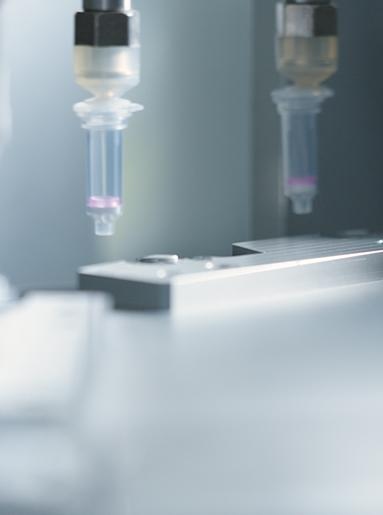
Automating viral nucleic acid extraction workflows involves the integration of advanced purification technologies with automated instruments to improve efficiency, reproducibility, and consistency in laboratory processes. In the context of nucleic acid extraction, automation reduces manual intervention and standardizes each step, allowing laboratories to process multiple samples simultaneously while maintaining stable performance. Viral samples such as blood, serum, plasma, or other biological materials require careful handling, and automation maintains that nucleic acid extraction is carried out under controlled and repeatable conditions.
Key Steps in Automated Nucleic Acid Extraction
A typical automated nucleic acid extraction workflow begins with sample lysis, where chemical buffers disrupt viral particles and release nucleic acids into solution. Following lysis, nucleic acids bind specifically to magnetic beads under optimized conditions. Automated systems then control the transfer of these beads through a series of washing steps, effectively removing proteins, inhibitors, and other contaminants. Finally, purified DNA or RNA is eluted into a suitable buffer. Throughout this process, automation ensures precise timing, consistent mixing, and accurate liquid handling, all of which contribute to improved yield and purity. By minimizing manual operations, automated nucleic acid extraction workflows also reduce variability between runs.
Technologies Supporting Workflow Automation
Magnetic bead-based technology plays a central role in automated nucleic acid extraction systems. These systems use magnetic rods or similar mechanisms to control the binding, movement, and release of nucleic acids, enabling seamless progression through each stage of the workflow. Automated platforms are designed to accommodate different throughput requirements, allowing laboratories to process varying sample volumes efficiently. In addition, integrated consumables and preconfigured reagents simplify setup and reduce operational complexity. The flexibility of these systems makes them suitable for handling diverse viral sample types while maintaining consistent nucleic acid extraction performance.
Closing Perspective
Overall, automating viral nucleic acid extraction workflows provides a structured and efficient approach to isolating nucleic acids with high reproducibility and reduced manual workload. TIANGEN Biotech (Beijing) Co., Ltd. offers integrated solutions that combine reagents, consumables, and automated instruments such as the TGuide series to support standardized nucleic acid extraction processes. Through the application of magnetic bead technology and optimized system design, TIANGEN enables laboratories to achieve reliable and scalable viral nucleic acid extraction workflows.
