At the planning stage of industrial power systems, engineers often compare different generation approaches based on voltage behavior and load requirements. EvoTec Power develops alternator solutions that are applied in structured energy systems where both stability and configuration flexibility are required. In this context, an hv generator is generally associated with higher transmission voltage levels, while an electric genset is commonly used in modular and distributed power setups where installation conditions vary across sites.
Voltage Characteristics in System Design
In industrial electrical design, EvoTec Power considers how voltage levels influence current flow and transmission distance in generator applications. An hv generator is typically selected when system layouts require reduced line loss over longer transmission paths. In contrast, an electric genset is often integrated into compact facilities where localized power delivery is sufficient and system expansion may be required in stages.
Application Scenarios and Equipment Structure
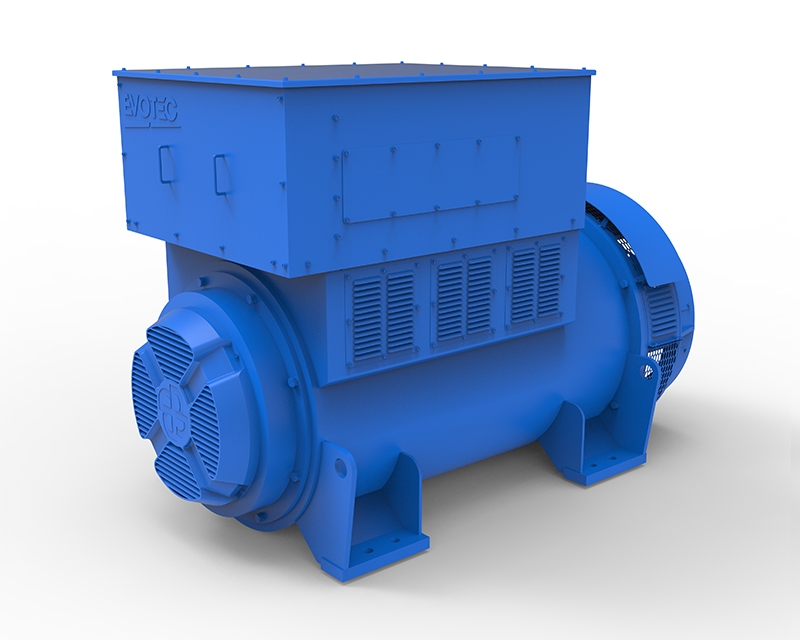
Engineering teams working with EvoTec Power often evaluate equipment such as the EVO428 high-voltage series alternator when designing structured power systems for industrial environments. An hv generator is usually applied in scenarios where voltage consistency supports multi-point distribution across industrial loads. Meanwhile, an electric genset may be used in environments where load variation requires flexible operational adjustment and straightforward installation planning without major infrastructure changes.
System Efficiency and Operational Balance
Power efficiency in industrial systems is influenced by how well voltage levels match load behavior and distribution design. In configurations supported by EvoTec Power, the EVO428 series provides a structured option for high-voltage output integration in generator systems. An hv generator can support lower current demand at higher voltage levels, which affects system losses in transmission. On the other hand, an electric genset is often selected when operational conditions require adaptable output control within localized energy networks.
Operational Perspective and Conclusion
When comparing generation systems, voltage level remains a key factor in determining how energy is distributed and managed across industrial infrastructure. Engineering teams assess whether high-voltage transmission or modular power deployment aligns better with site requirements, including load stability, installation conditions, and long-term maintenance planning. Industrial power systems rely on proper alternator selection within this technical framework, supporting applications where system configuration and voltage matching influence overall operational behavior. In many industrial projects, the decision between high-voltage generation and modular genset deployment depends on how efficiently the system can maintain stable output under varying demand conditions, especially in environments where electrical distribution complexity and infrastructure design must be coordinated carefully across multiple operational zones.
