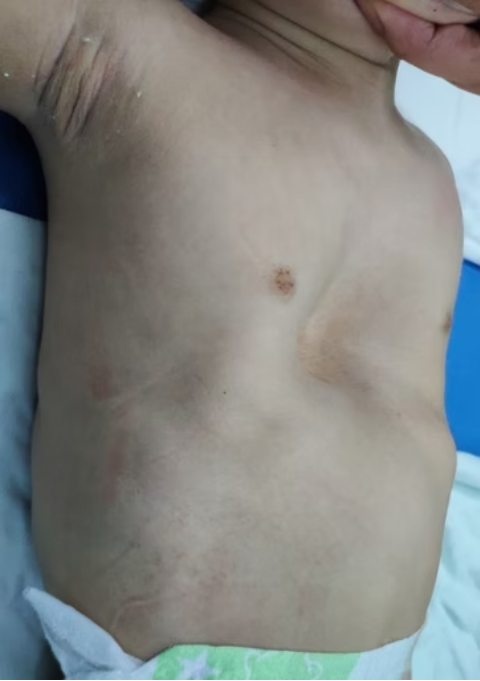
Pectus excavatum is a congenital chest wall deformity that causes sternum and adjacent ribs to sink inward, resulting in a concave appearance of the anterior chest wall. The severity of this deformity varies greatly; mild cases may only affect appearance, while severe cases can impair cardiopulmonary function.
Effects on Health and Everyday Life
Most people with mild pectus excavatum don’t have any major health problems or problems with their daily lives. But when the depression gets worse, the anterior chest wall can put pressure on the heart and lungs, which can cause symptoms like shortness of breath, fatigue, or palpitations. Some patients also have mental health problems related to how they see their bodies, especially when they are teenagers.
Pectus Excavatum Treatments
Recent advances in pectus excavatum treatments have made corrective procedures safer and more effective. The Institute of Chest Wall Surgery (ICWS) has created new minimally invasive procedures, like the Wang procedure and Wung procedure.
The Wang procedure, which is better suited to young children, fixes the deformity without entering the chest cavity. This keeps trauma to a minimum and protects the heart from injury.
The Wung procedure is a modification of the classic Nuss procedure, designed to overcome its inherent limitations and risks. Many refinements have been made to the surgical details, such as the “Wang Technique” for bar fixation, which significantly reduces the difficulty of the operation and lowers the incidence of postoperative complications.
Conclusion
With proper assessment and individualized treatment, most patients with pectus excavatum can lead normal, active lives. Early evaluation allows physicians to monitor progression and recommend suitable interventions when needed. For patients seeking effective correction of chest wall deformities, institutions such as The Institute of Chest Wall Surgery (ICWS) continue to refine surgical procedures and promote safer, evidence-based approaches to care. With timely treatment and follow-up, people with pectus excavatum can expect a healthy and fulfilling quality of life.
