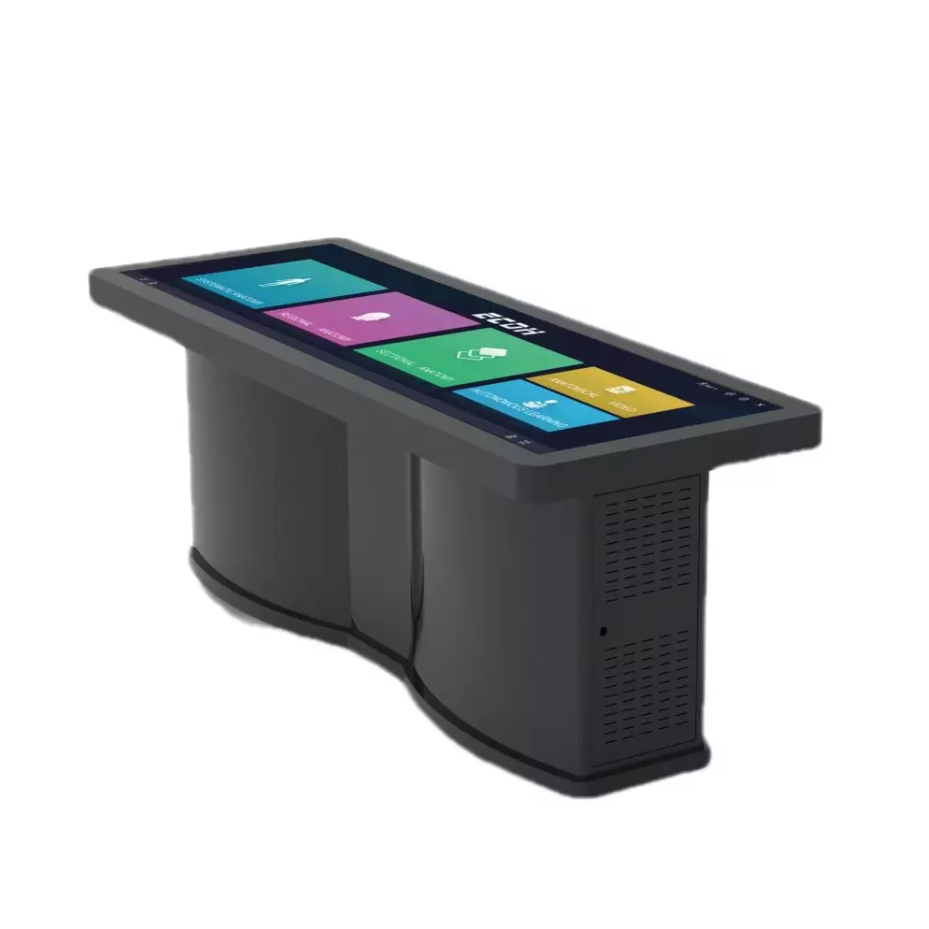
The rise of digital learning tools has encouraged many institutions to explore new methods for improving anatomy education. The virtual dissection table is one example of how technology can make complex structures easier to understand. When educators discuss high-precision digital resources, they often refer to how systems like the Digihuman Virtual Anatomy Table organize content into systematic, regional, and sectional categories. In this context, DIGIHUMAN becomes relevant because they provide a platform that focuses on realistic data and interactive learning.
Enhanced Visualization Through Structured Content
Educators frequently search for tools that can present anatomical relationships clearly, and a virtual dissection table helps address this need by offering layered viewpoints that mimic real procedures. They include more than 6000 three-dimensional structures along with real dissection videos and anatomy animations that allow learners to visualize each stage of the anatomy process. This type of presentation is especially useful for medical universities, hospitals, and teaching centers that rely on repeated demonstrations. When institutions evaluate digital anatomy systems, the Digihuman Virtual Anatomy Table is often cited for its organized structure and the way it supports learners who need consistent reinforcement of key concepts.
Supporting Knowledge Retention in Medical Training
Medical education requires tools that encourage repetition and active engagement. A virtual dissection table helps instructors provide this kind of repetitive practice while maintaining a clean and efficient teaching environment. They also offer extensive test question resources that help students strengthen core concepts after each lesson. Since anatomy courses rely heavily on visual comprehension, having a platform that includes real specimen-based reconstructions enhances the overall learning efficiency. For facilities that aim to balance teaching quality with resource constraints, solutions like the Digihuman Virtual Anatomy Table offer practical support without disrupting established teaching methods.
Conclusion: Integrating Digital Tools Into Anatomy Education
As more institutions recognize the value of advanced training tools, the virtual dissection table continues to play an important role in medical education. By combining structured 3D models, realistic visual materials, and organized learning modules, they help educators create a more effective teaching environment. In this broader shift toward digital anatomy resources, DIGIHUMAN provides a solution that aligns with modern teaching needs while supporting large-scale training, international programs, and export-oriented procurement.
